Winterize Your Outdoor Kitchen: Safe Use, Heating and Storage Tips
Orion Outdoor Living • January 21, 2026
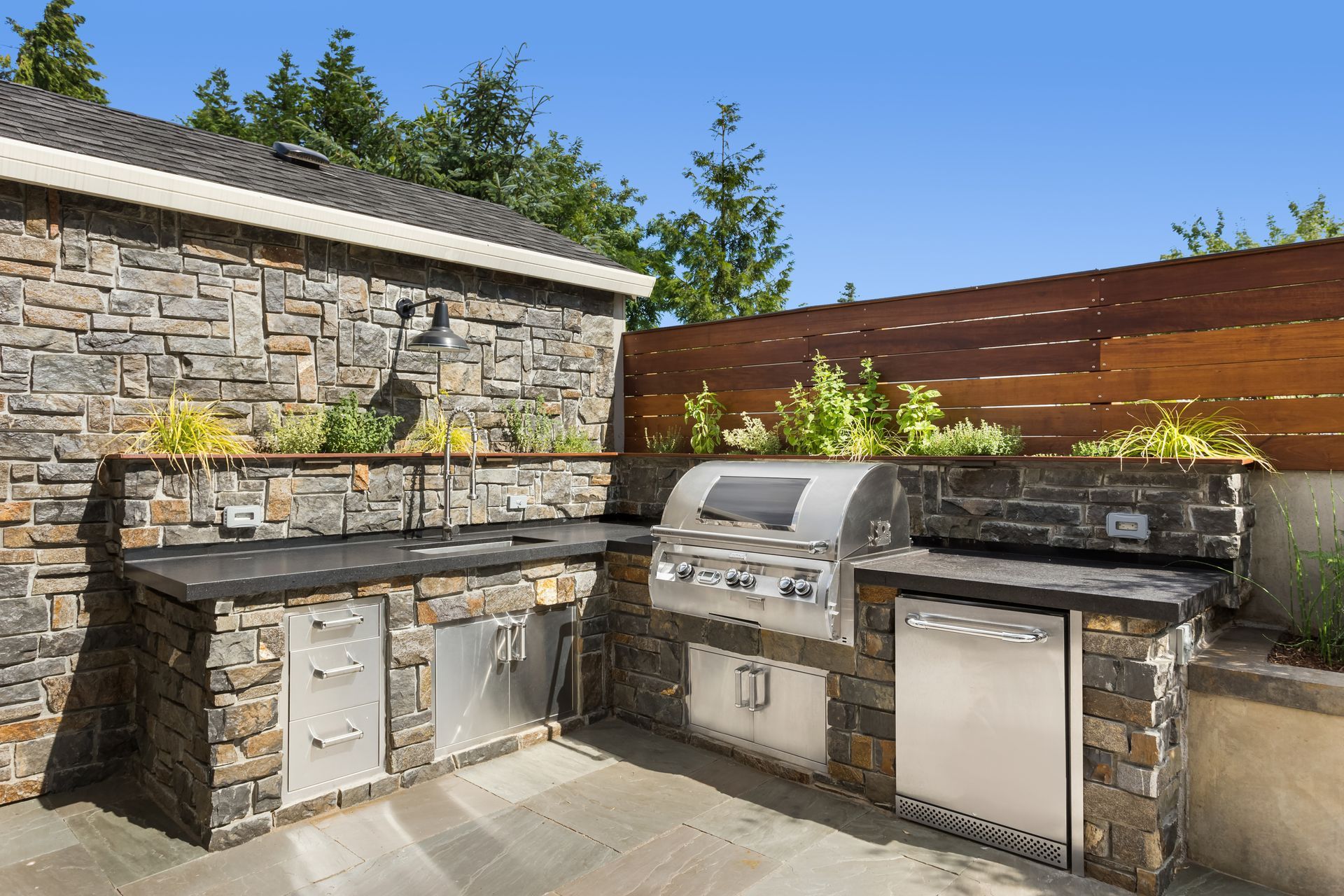
December in London, Ontario is prime time for cozy outdoor gatherings—if your outdoor kitchen is prepared for freezing weather. With the right winterization steps, safe heating, and smart storage, you can host Christmas dinners and New Year’s toasts outdoors without risking damage. Orion Outdoor Living designs and services outdoor kitchens, covered decks, and pergolas across London, Westmount, Komoka, Mt Brydges, and St. Thomas, tailoring every solution to Ontario winters.
Can You Use an Outdoor Kitchen in Winter in Ontario?
People Also Ask: Can you cook outside in winter without damaging appliances? Yes—with careful prep. Winterize water lines, choose heaters that meet clearance and ventilation rules, and protect surfaces from freeze–thaw cycles. Use electric infrared heaters under covered areas, keep propane units in well-ventilated spaces, and route cords to outdoor GFCI outlets. With these steps, your outdoor kitchen stays functional and safe all season.
Protect Water Lines and Plumbing
Freeze expansion is the top culprit behind winter damage. Before sustained sub-zero temperatures:
- Shut off and drain supply lines feeding sinks, fridges, and ice makers. Open faucets to relieve pressure.
- Blow out lines with compressed air where possible. For drains and traps, add non-toxic RV antifreeze rated for potable systems.
- Disconnect and drain filter housings and outdoor dishwasher lines, if installed.
- Insulate any exposed PEX or copper under the counter and near the house connection.
- Cap quick-connects and cover faucet heads to keep water out.
Appliance Care: Grills, Fridges, and More
- Grill: Deep clean grates and grease trays to deter pests, then season grates lightly with oil. If using the grill in winter, check gas connections for leaks and keep lids and vents clear of snow. For natural gas, ensure shutoff valves are accessible.
- Refrigerators and ice makers: Empty, defrost, and dry interiors. Switch off and unplug units not rated for sub-zero environments; prop doors open to prevent odours. Store removable bins and shelves indoors.
- Cabinetry and storage: Remove soft goods (cushions, linens, cutting boards) to a dry indoor area. For stainless cabinetry, apply a protective polish; for powder-coated aluminum or HDPE cabinets, brush off salt and snow promptly.
Countertops and Finishes
Materials react differently to winter:
- Granite and concrete: Clean, dry, and seal per manufacturer guidance to resist moisture and staining.
- Porcelain/sintered stone: Highly freeze-resistant; cover to prevent abrasion from blowing grit.
- Quartz: Avoid thermal shock; use trivets and don’t leave hot pans directly on the surface in cold weather.
- Composite or wood surrounds: Keep snow from piling against vertical faces; maintain ventilation around appliances.
Heat Safely Under Covered Decks and Pergolas
Choose heat sources that fit your structure and meet Canadian safety standards:
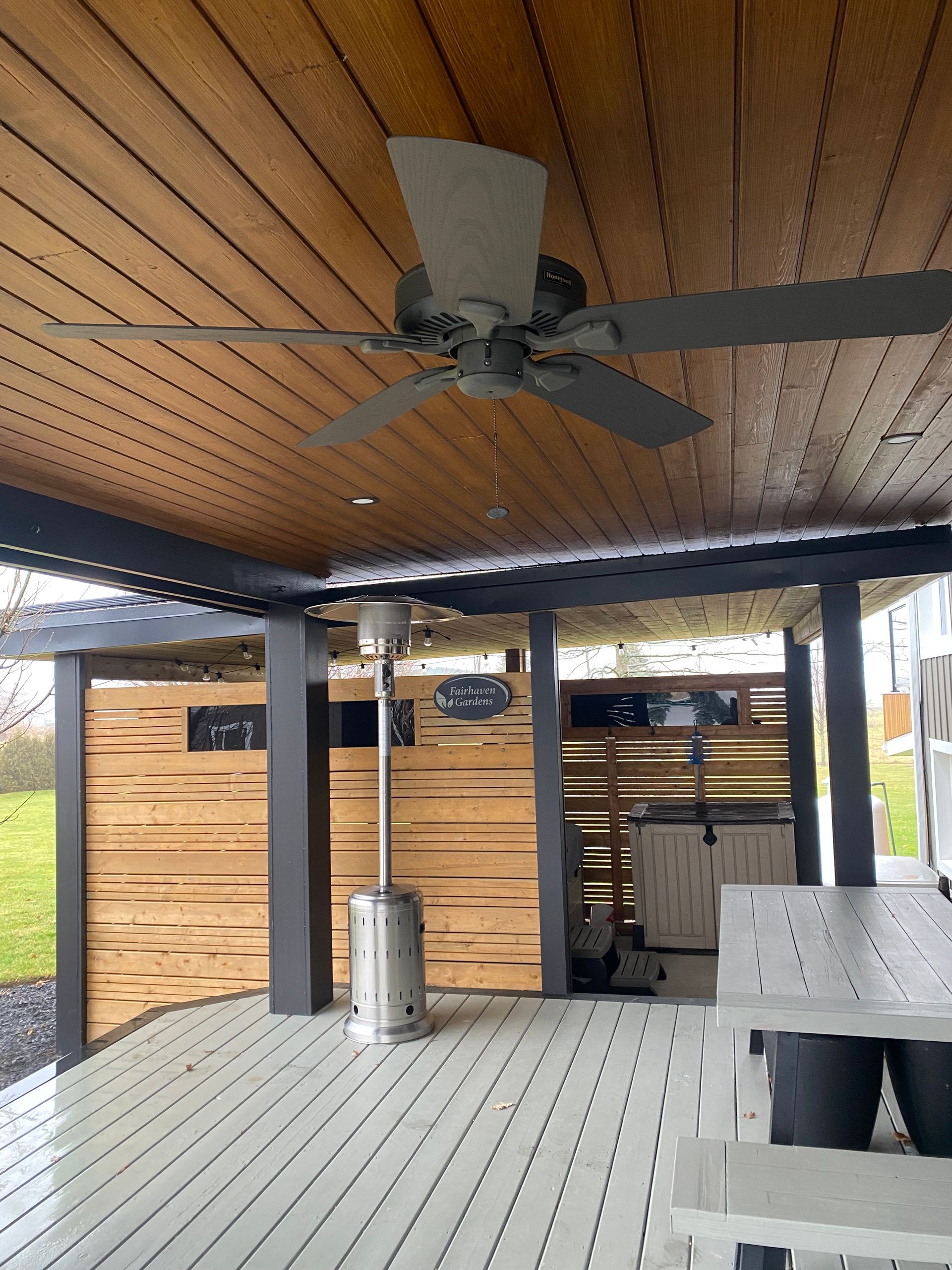
- Electric infrared heaters: Ideal for covered decks and pergolas; no open flame, directional warmth, reliable performance in wind. Use GFCI circuits and follow mounting clearances.
- Ceiling or wall-mounted gas heaters: Strong output for larger spaces; require professional gas lines and ventilation planning.
- Portable propane heaters and fire tables: Use only in open-air conditions with safe clearances from privacy screens, curtains, and railings.
Heating essentials
- Keep the roofline and beams clear of heat plumes; respect manufacturer clearances.
- Never use fuel-burning heaters in enclosed areas; add a carbon monoxide alarm nearby.
- Route cords neatly along beams and posts, off walking surfaces, and protect with in-use covers.
Block Wind, Brighten Nights
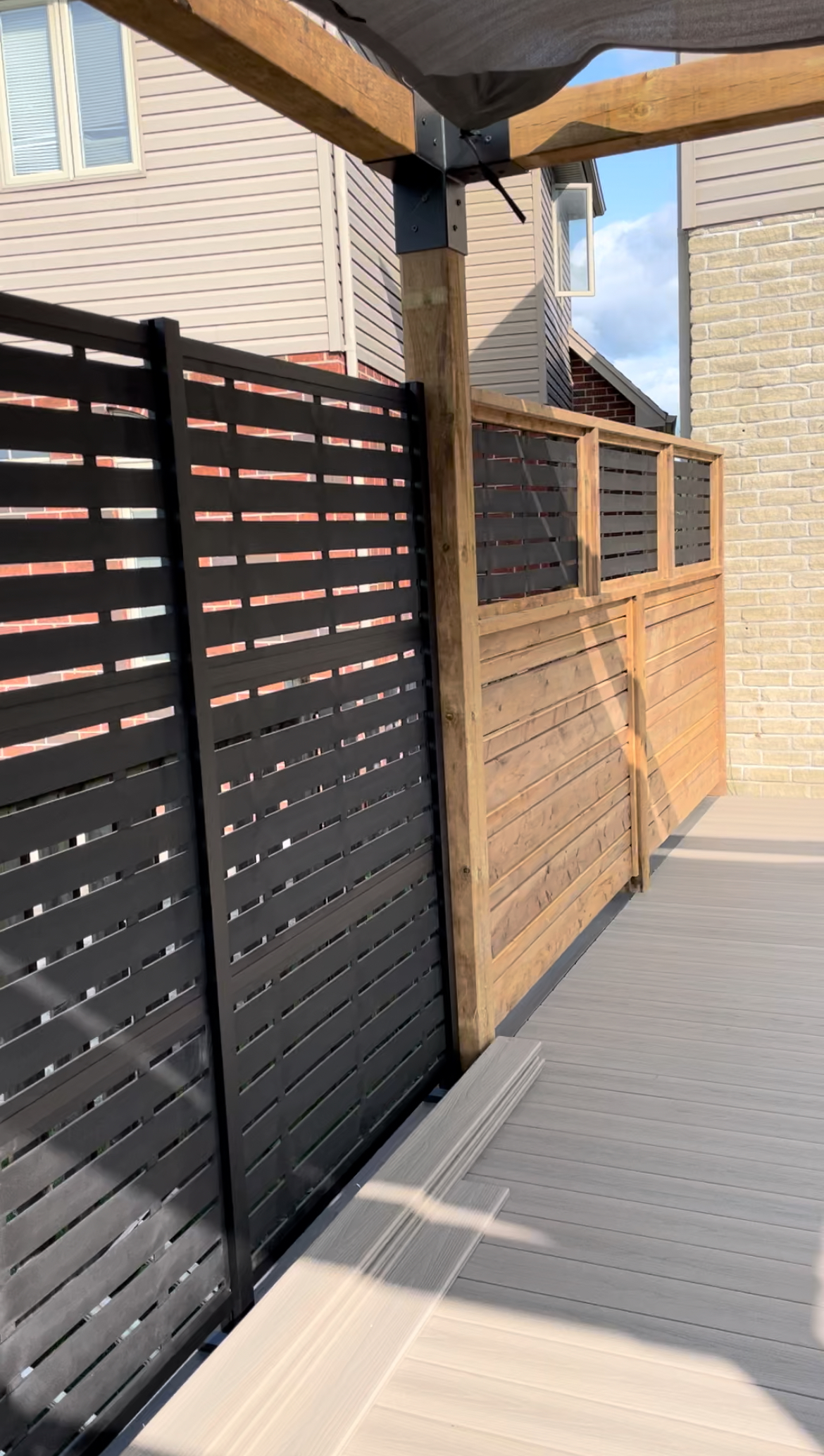
Windbreaks make heaters more effective. Consider aluminum or composite privacy screens, clear vinyl curtains on pergolas, or tempered glass panels that preserve views while cutting gusts common in the Thames Valley. Add low-voltage LED lighting—step lights, under-rail strips, and warm pendants (2700K–3000K)—on timers or photocells for early sunsets and safe hosting.
Quick Winterization Checklist
- Shut off, drain, and blow out water lines; protect traps with RV antifreeze.
- Clean and power down fridges/ice makers; prop doors open.
- Deep clean grills; check gas connections; store spare propane outdoors, upright.
- Seal or cover counters; remove soft goods to indoor storage.
- Install windbreaks and electric infrared heaters with proper clearances.
- Set lighting schedules and confirm GFCI/outdoor-rated connections.
Local Help for Cold-Weather Kitchens
In Middlesex County, temperatures swing rapidly, so check connections after the first hard freeze and clear snow from appliance vents. If you’re upgrading this winter, Orion can add wind protection, low-voltage lighting, and safe heater mounts to covered decks and pergolas—so your outdoor kitchen works beautifully for Christmas and into the new year.
Get Your Outdoor Kitchen Winter-Ready
Protect your investment and keep cooking outside with confidence.
Book a consultation with Orion Outdoor Living for winterization, heater planning, lighting design, and seasonal upgrades across London, Westmount, Komoka, Mt Brydges, and St. Thomas. Start today and enjoy warm, worry-free hosting all winter long.
Share This Blog